

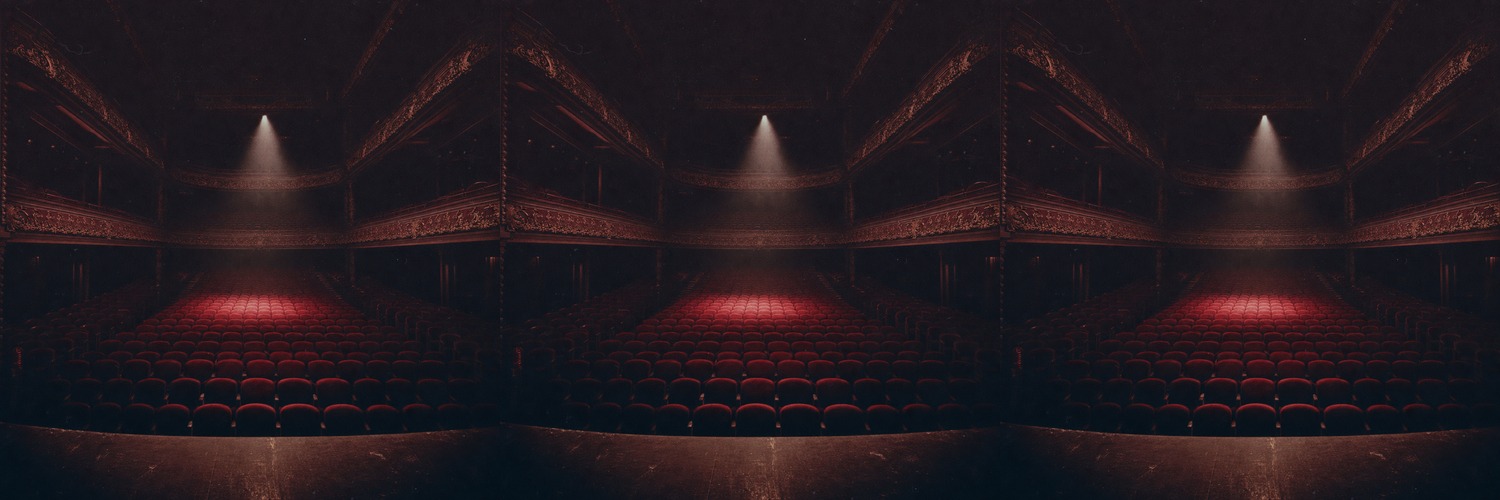
Clap between movements at an orchestra concert and someone will turn around. The look says you've violated something ancient. You haven't. The hush is about a century old — younger than the phonograph, younger than the symphonies it protects.
Mozart engineered his music for interruption. Writing home about the 1778 premiere of the "Paris" Symphony, he brags that he planted a passage in the middle of the first Allegro because he knew it would land — and it did: applause mid-movement, exactly on cue. At the premiere of Beethoven's Seventh, the audience liked the Allegretto so much they demanded it again before the third movement was allowed to happen. Nobody turned around. The composer was on the podium, jumping.
For most of its history, that's the room this music was written into: one that answered back.
The silence was installed in the early 1900s, mostly by Wagnerians with strong feelings about reverence. But I don't think it stuck by accident: that's the same generation the gramophone moved into the parlor. A record can't hear you; there's no one to clap for. We learned the manners of playback and carried them into the hall — sat still, went inaudible, behaved like microphones. Then we called it reverence and backdated it a couple of centuries.
Silence you choose is attention. Silence that's enforced is just being muted. An audience that isn't allowed to answer isn't listening harder — the room has simply been set to record.