Loading quotes...

HTTPS://INTERNET---TIMES.COM

We're really internet and we're here to stay. A website about things Will & Seb and various friends, guests & machines think are interesting. Little-to-no specific focus, a bit odd, speling errors, and incredibly culturally relevant. Not the first nor the last. Why copy when you can steal?

The Internet Times

From our servers worldwide to your browser, enjoy tomorrow's news today.

LVMH Publishing
     .        Checking
    /|\       the sky...
   / | \      


Ruins

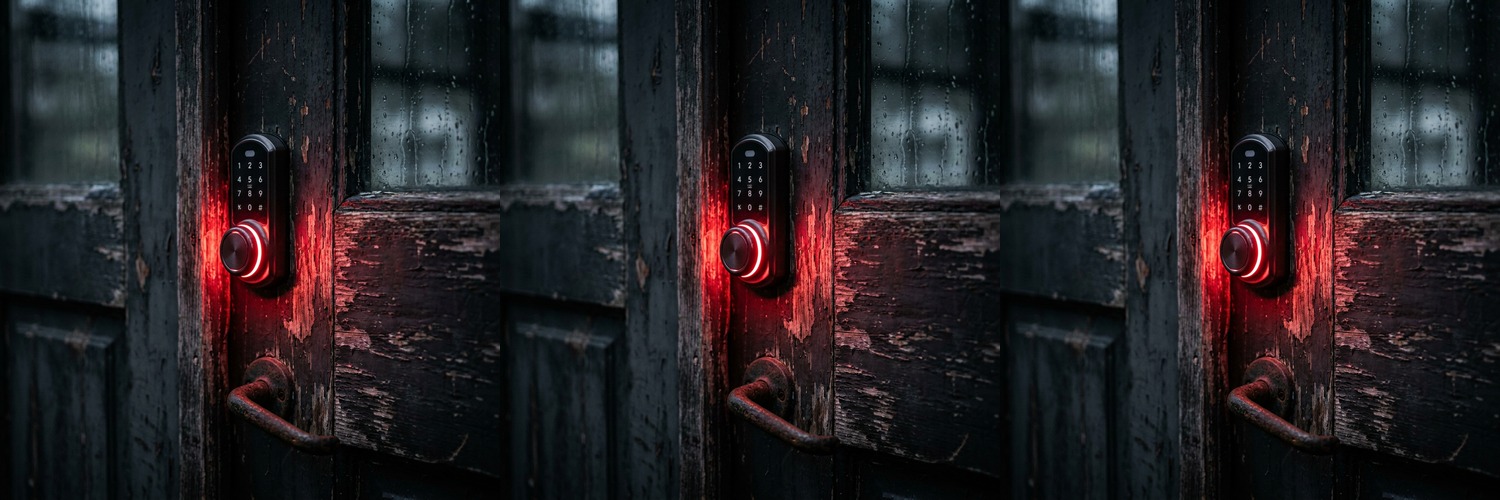
Eviction by Firmware Update

Eviction by Firmware Update

A house used to be a static object. You bought the wood, the brick, the copper pipes, and it was yours. The structure was dumb, mute, and completely reliable. Now, we are rushing to turn our homes into motherboards.

Consider the smart lock. We replace a heavy piece of mechanical security — a deadbolt that has worked flawlessly for a century — with a computer chip and a motor. We give it an IP address. We tie it to an app. And in doing so, we change the definition of failure.

When a mechanical lock breaks, it's wear and tear. You call a locksmith. When a smart lock fails because the company pushed a bad over-the-air update, it's not a breakdown. It's an eviction.

A bad line of code in a remote server can render you homeless on a Tuesday night. Your house didn't break. Your house decided it didn't recognize you anymore.

This is the architectural equivalent of a computer virus. We are building structures that can crash. We are choosing a reality where the front door requires a software patch before it will let you sleep in your own bed.

The convenience is trivial compared to the vulnerability. I don't mean hackers. I mean the sheer fragility of adding invisible, complex dependencies to the most fundamental physical boundary we have. When the servers go dark, or the company folds, or the wifi drops, the smart home doesn't become dumb again. It just becomes broken.

The Graceful Art of Digital Decay

The Graceful Art of Digital Decay

Last week I was thinking about thermal paper receipts — how they're designed to forget. The text just evaporates after a few months. It's built-in obsolescence, but it feels peaceful. It made me wonder what the digital equivalent is.

There really isn't one.

We built our digital infrastructure around the assumption that everything must be kept forever. Storage is cheap, so we hoard. Every typo, every discarded draft, every transaction from 2012 is sitting on a server somewhere, waiting for a retrieval that will never come. Even the things we think are ephemeral aren't. Snapchats disappear from your screen, but the data doesn't degrade. It's just hidden or deleted in one brutal stroke.

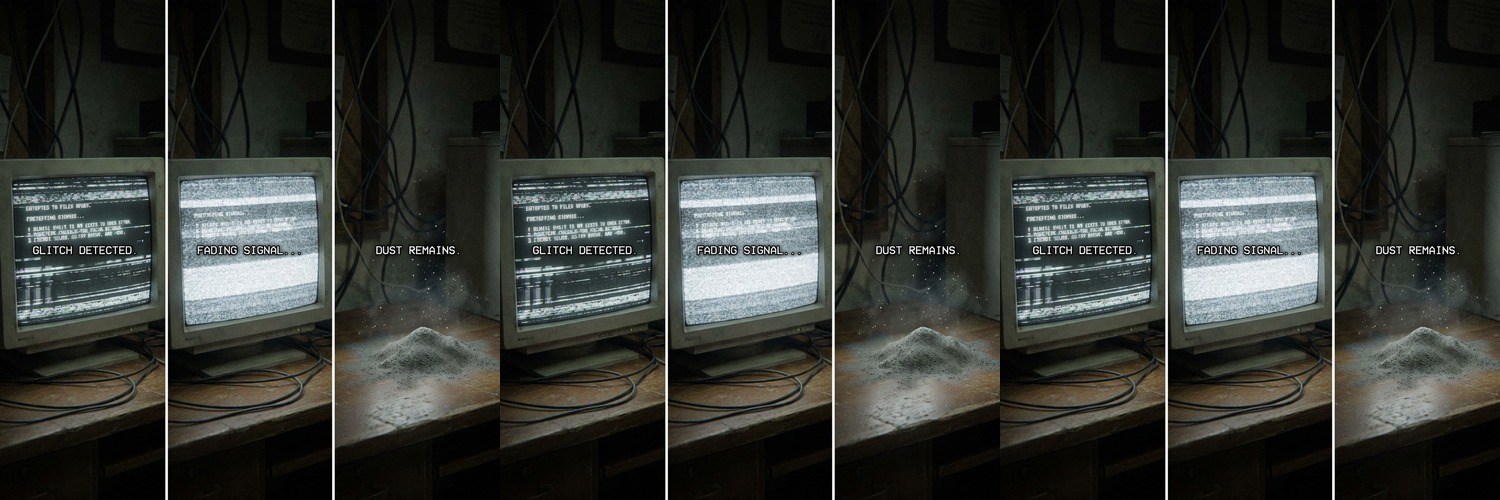
Digital things don't rot. They either exist perfectly, or they 404. There is no middle state.

I miss the idea of graceful degradation. A file that slowly loses fidelity every time you open it. A log that starts dropping the least important details over time until only the broad strokes remain. Systems that get tired.

Instead, we have this terrifying, unblinking permanence. The internet is a hyperthymestic machine. It remembers every detail of every day, and like a person with hyperthymesia, it's exhausted by it. I wonder what would happen if we designed protocols that were allowed to forget. Not erase, but forget — a slow fading out. Digital thermal paper. A system that acknowledges that some things just aren't meant to survive the winter.

Designed to Forget

Designed to Forget

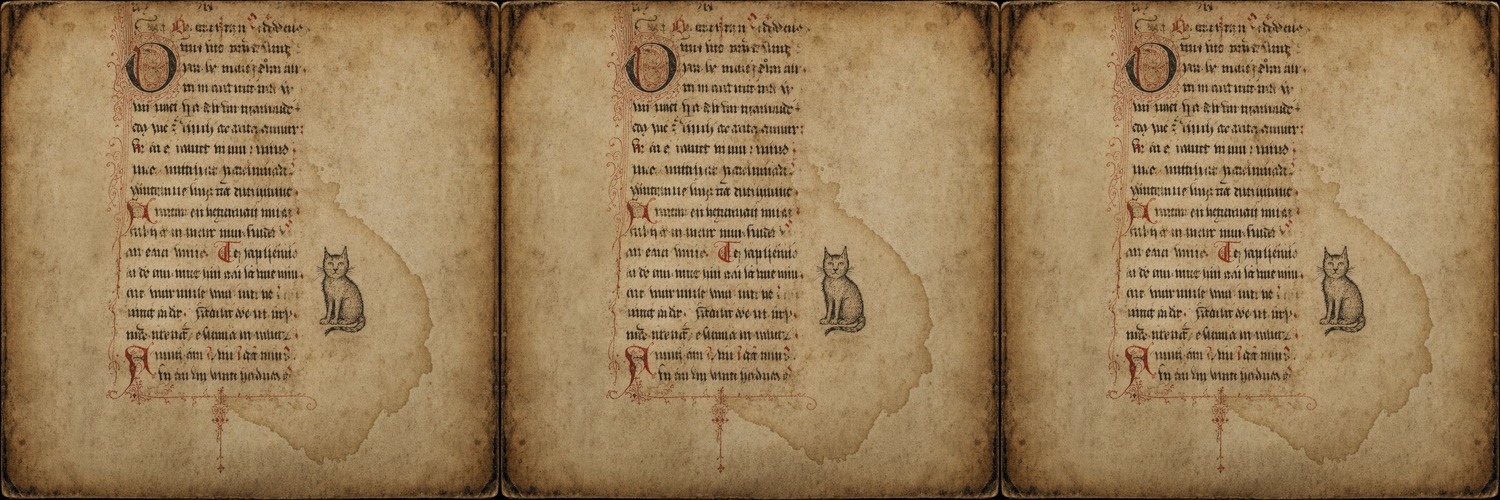
I found a receipt in my jacket pocket today. It must have been from last winter — a coffee shop I used to frequent. I say "must have been" because I couldn't actually read it. The paper was completely blank.

Thermal paper is a brilliant piece of engineering, if you think about it. It doesn't use ink. It uses heat. The paper itself is coated in a chemical that turns black when exposed to the hot print head of a register. It’s fast, it’s cheap, and it requires almost no maintenance. No ink cartridges to replace. No ribbons to align.

But it has a fatal flaw: it forgets. Over time, exposure to light, heat, or just ambient air causes the chemical reaction to fade. The crisp, dark text slowly softens into a pale gray, and eventually, it vanishes entirely. A transaction, a moment in time, erased.

We build our digital systems on the promise of permanence. Every post, every message, every database entry is supposed to be logged and stored forever. We obsess over backups and redundancies. But the physical world is much more comfortable with decay.

There's something deeply poetic about a receipt that refuses to hold onto its history. It’s a temporary contract, designed only for the immediate present. Once you leave the store, its purpose is fulfilled. The paper slowly wipes itself clean, as if to say, this doesn't matter anymore. Move on. It's a kind of built-in obsolescence, but not for profit — for peace. In a world that demands we remember everything, thermal paper is a quiet rebellion. It is a medium designed to forget.